

Tesla Model S 75D ABS fault: why four new sensors did not fix it
A Model S 75D arrived with an ABS fault that had survived four new wheel speed sensors. Here is how we traced the real cause to the previous repair, and what the car needs to be put right.
personBy Gabor, MegaEV calendar_today 3 min read
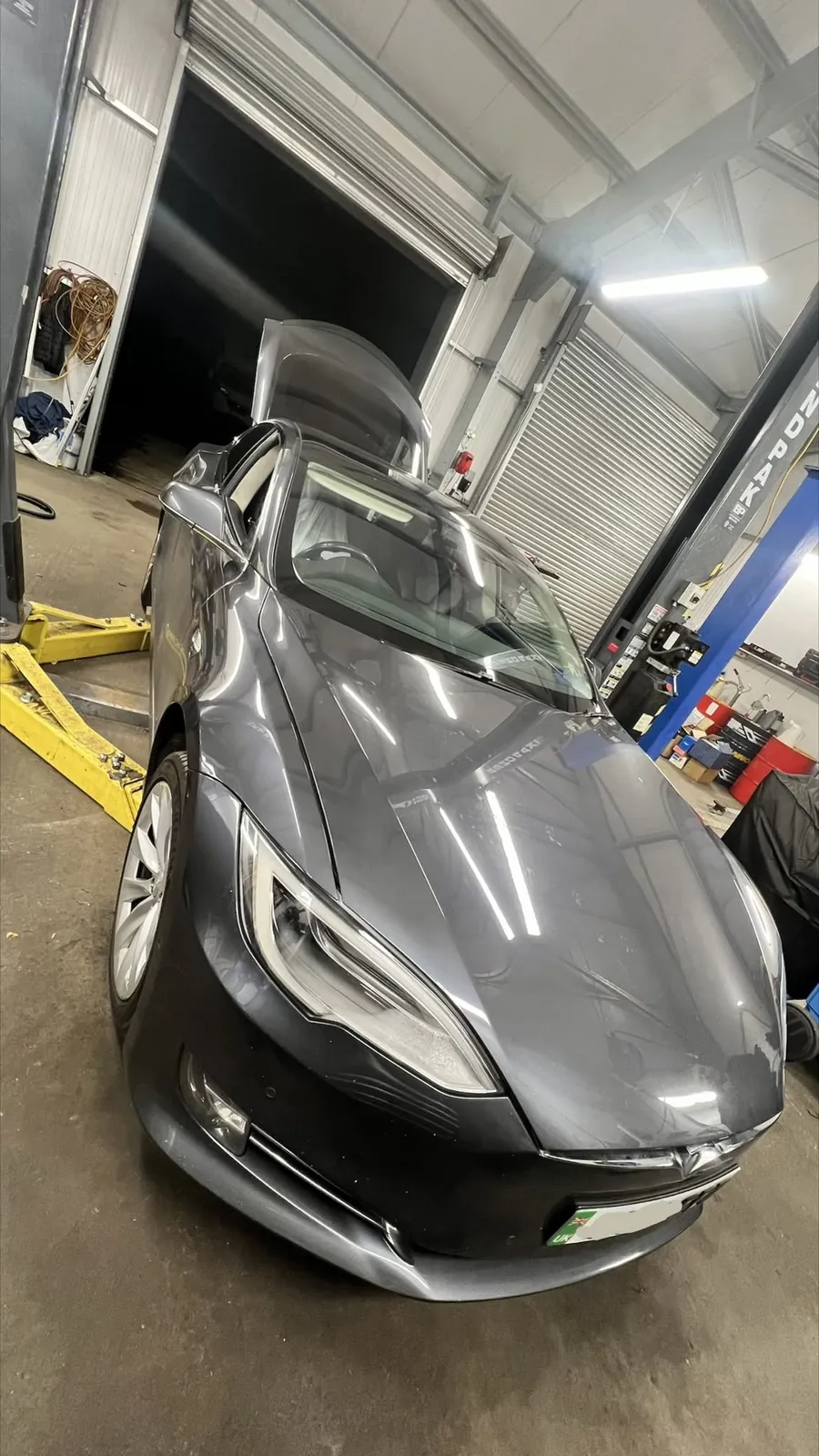
When a warning light comes back after a repair, it is tempting to replace the next part on the list. This Model S 75D shows why finding the root cause matters more than swapping parts.
An ABS fault with knock-on effects
The car came to us with an ABS fault after a previous repair attempt elsewhere. On a Tesla, an ABS fault rarely stays on its own. Several systems rely on accurate wheel speed information, so on this car the fault had also switched off:
- the driver assistance systems
- regenerative braking
All four ABS sensors had already been replaced, but the fault was still there.
What the diagnostics found
Using Tesla Toolbox, we found two separate faults related to the wheel speed sensors:
- a short circuit
- an incorrect sensor air gap
The air gap is the small, precise distance between the sensor tip and the magnetic ring it reads as the wheel turns. If that gap is wrong, the sensor cannot read the ring reliably, even when the sensor itself is brand new.
Next, we checked the wiring. Continuity tests between the ABS control module and the affected sensors showed the wiring was intact. So the problem was not the wiring, and not the new sensors. We had to look further.
The real cause: the previous repair
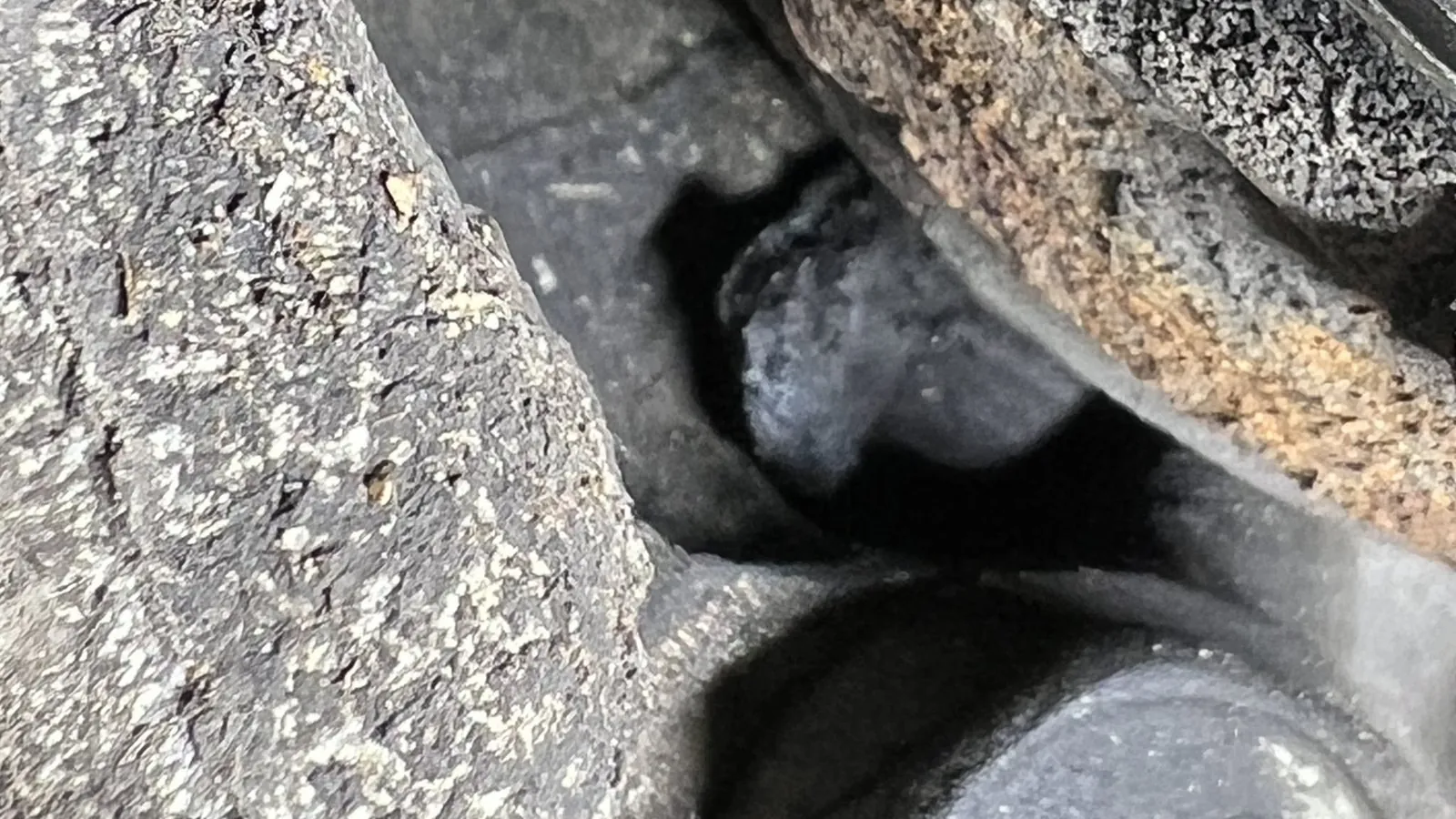
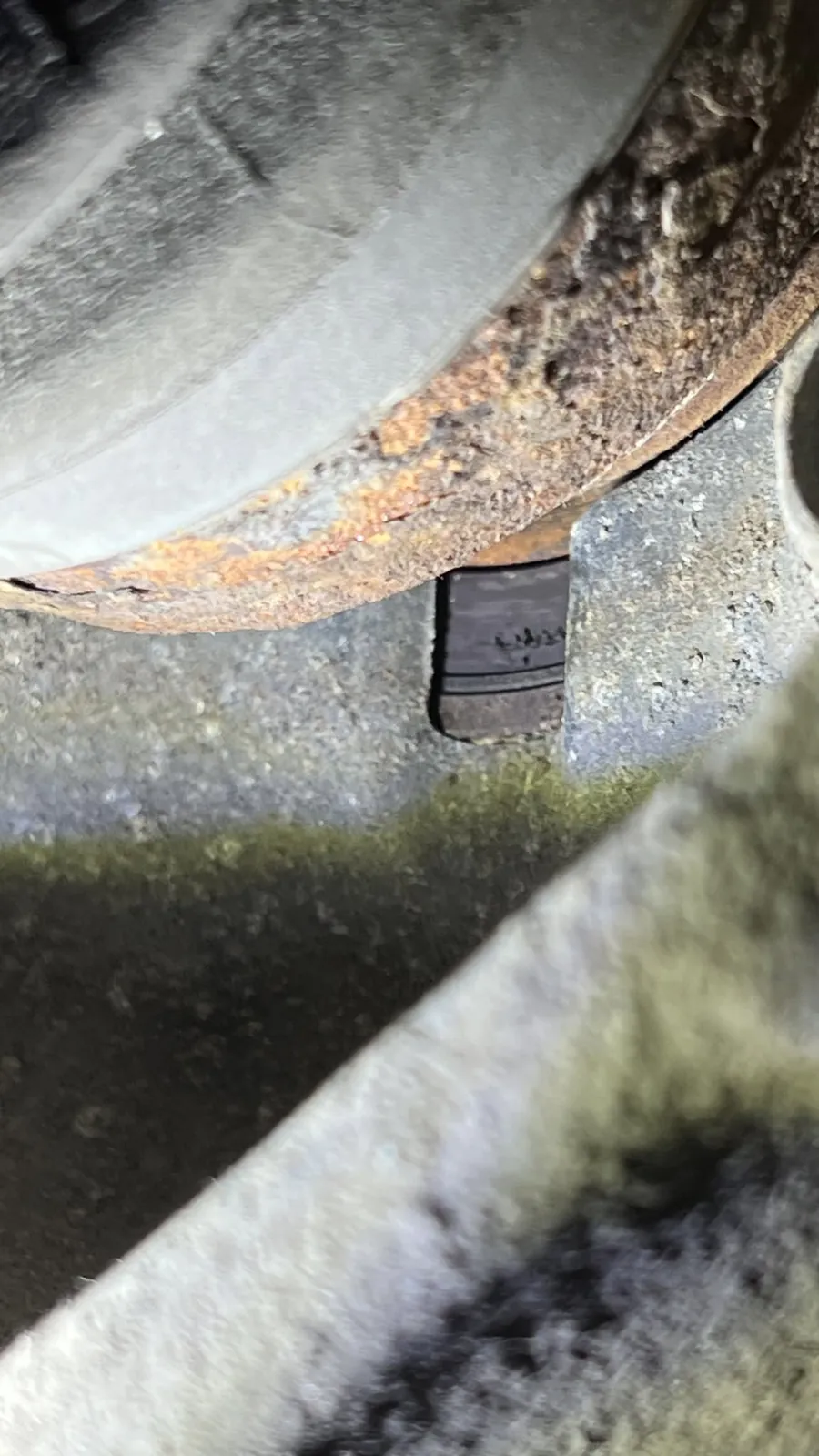
A closer inspection showed that the original sensors had been drilled out during the earlier repair. On older Model S hubs this is a common problem, because the sensors can seize in place over time.
Drilling them out had sent debris into the sensor bore. That debris had damaged the integrated magnetic ABS ring and its protective cover, which fits with the faults the diagnostics had shown.
On this model, the ABS ring is part of the wheel bearing assembly. It cannot be replaced on its own, so the correct fix is two new wheel bearings, which are now on order.
A free health check while it was on the ramp
While the car was on the ramp, we carried out a complimentary health check. It found two more items:
- a loose ball joint on a front lower control arm
- a worn rear anti-roll bar link
Neither is unusual on a Model S of this age, but both affect how the car handles and should be dealt with. Our brakes and suspension repair page explains what these parts do.
During the road test, we also felt a mild but noticeable vibration under acceleration. This is a known Model S issue related to the driveshafts.
Next steps
We talked the owner through the repair options. To help with the cost, the owner is going to look into having the relevant Tesla service bulletin applied for the driveshaft issue.
Once the wheel bearings are fitted and the other items are put right, the car will be back to driving as it should.
Update, 10 February 2026: the parts have arrived and the repair is done. Read part 2: putting it right.
The lesson: diagnose first
Four new sensors cost this owner time and money without fixing anything, because the real problem was elsewhere. With the right diagnostic equipment and a methodical approach, we could show exactly what was wrong and why, before any more parts were ordered.
If your Tesla has a warning light that keeps coming back, send us a message and tell us what has already been done. Thinking about a full check? Our Model X post-purchase inspection shows what we look at.
Related service